Accommodation choices influence how your ski days begin and end. In Japan, the trade-off is often between the convenience of immediate ski access and the cultural atmosphere of a village stay. This page outlines common accommodation patterns and how they tend to shape the overall experience.
Accommodation Styles
A. Ski-in / Ski-out
The Seamless Loop. Your day is purely about snow. Mornings are effortless; you step into your bindings and go. Evenings are typically quiet and physically contained within the hotel. This style minimizes friction but can feel isolated from local culture.
B. Walk-to-Lift (Village Side)
The Active Balance. Common in places like Nozawa Onsen. A 5-10 minute walk through the village wakes up the legs in the morning and allows for a cool-down stroll in the evening. It offers a mix of slope access and connection to town dining.
C. Shuttle-Based Stay
The Timetabled Day. Many hotels are located away from the lifts to offer better value or seclusion. Success here relies on syncing your rhythm with the bus schedule. Mornings must be punctual, but you can often enjoy a quieter environment.
D. Town-Centered Stay
The Cultural Immersion. Skiing is just half the experience. You stay in the heart of the town (near the station or main street). The morning commute requires effort (bus or taxi), but your evenings are vibrant with izakaya dining, onsen hopping, and social interaction.
Style Comparison
| Stay Style | Daily Rhythm | Movement Required | Atmosphere |
|---|---|---|---|
| Ski-in / Ski-out | Fluid & Efficient | Minimal | Quiet / Resort-focused |
| Walk-to-Lift | Active Start | Low (Walking) | Balanced |
| Shuttle-Based | Structured | Moderate (Bus wait) | Secluded / Relaxed |
| Town-Centered | Two-Part Day | High (Commute) | Vibrant / Social |
Onsen and Recovery
The onsen (hot spring) is integral to Japanese ski culture. Scientifically or not, generations of skiers rely on the thermal waters to soothe muscle fatigue after a day of vertical descent. For a multi-day trip, daily soaking can significantly aid physical recovery.
Public vs. Private: While many Ryokans have private baths, visiting public "soto-yu" (outer baths) is a communal activity. Be prepared for full nudity and strict washing etiquette.
Good Fit For...
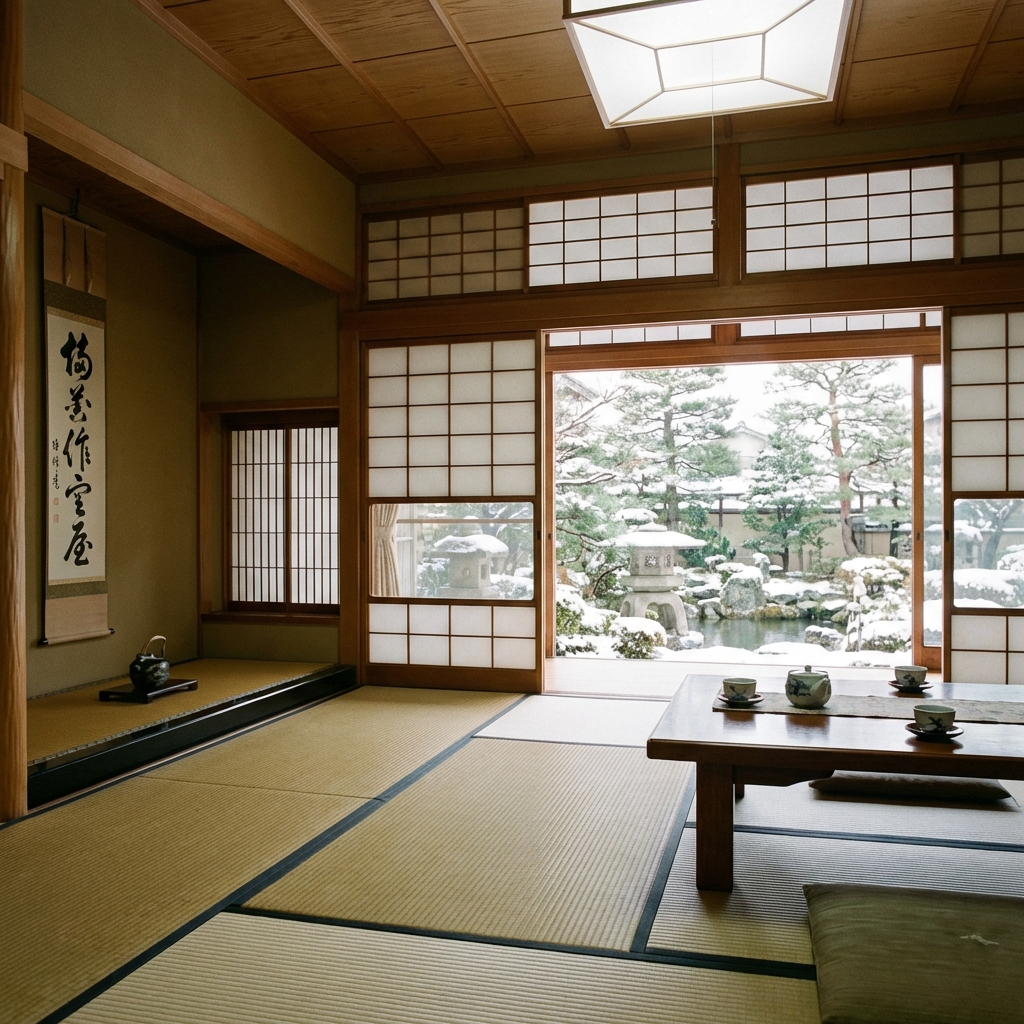
Travelers who view the stay as part of the adventure. Those comfortable sleeping on the floor (futon). People who enjoy silence and structured routines. Those seeking cultural immersion.
Better Alternatives For...
Travelers with knee/back issues (prefer beds). Families requiring soundproofing. Those who want late-night dining flexibility. Those who prioritize modern conveniences over atmosphere.
Booking Approach
Most independent travelers book accommodation directly via major booking platforms. Availability fluctuates significantly; popular Ryokans often book out 3-6 months in advance for January and February.
Accommodation booking links may be provided on this site in the future.
Booking Independently
Many visitors prefer to book accommodation independently using established platforms. Links may be added in the future for convenience, but all reservations are always made directly between users and providers.